First EV charging & solar storage company in East AfricaMon–Fri 09:00–16:00+254 733 582 929inquiry@dmelectrik.co.ke
D&M Electrik

Guide · Digital and green transformation

What is e‑mobility?

The definition, benefits, examples and the trends shaping the future of electric transport, in East Africa and worldwide.

5 min read · Updated October 2026

Definition

E‑mobility, in one sentence

E‑mobility (electric mobility) refers to the use of electric power for transportation instead of traditional fossil fuels such as petrol or diesel.

It includes electric vehicles and the infrastructure needed to support them, such as charging stations and smart energy systems.
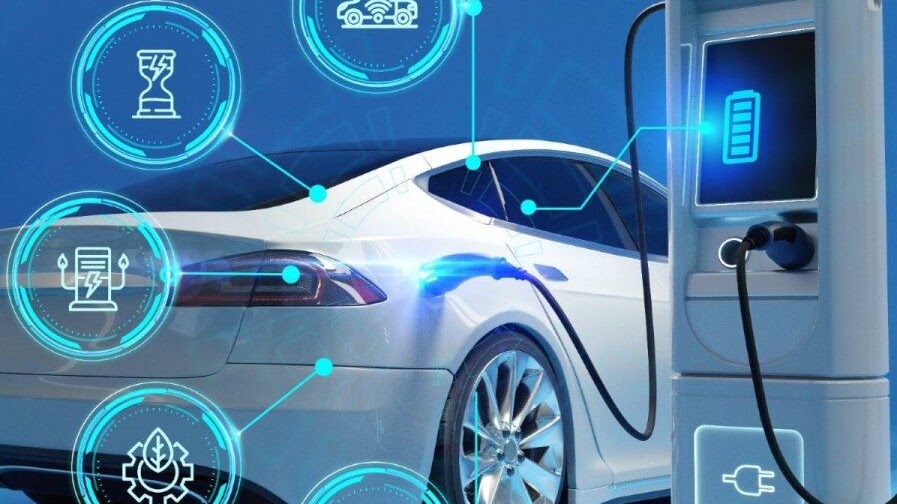
Electric vehicle charging, illustrating e-mobility

Outlook

The future of e‑mobility

The future of e‑mobility is expected to be defined by rapid electrification, smarter charging, better batteries, and deeper integration with renewable energy.

Governments, automakers, and energy companies worldwide are investing heavily in electric transportation as part of efforts to reduce emissions and improve energy efficiency.

Electric cars, buses, trucks, and two‑wheelers are expected to become increasingly common, and future battery technology is expected to bring lower costs and expanded charging networks with improved safety and durability. Governments and private companies continue to invest in charging infrastructure to meet growing demand, both at private homes and in public places.

Benefits of e‑mobility
  • Reduces greenhouse gas emissions
  • Improves air quality in cities
  • Lowers dependence on fossil fuels
  • Often has lower operating and maintenance costs
  • Supports sustainable transportation goals

Source: Danfoss — E‑mobility

Examples of e‑mobility
  • Electric vehicles (EVs)
  • Batteries
  • Charging infrastructure
  • Power grid and renewable energy

D&M Electrik delivers two of these in Kenya: EV charging wallboxes and solar battery storage.

Impact

The impact of achieving zero pollution
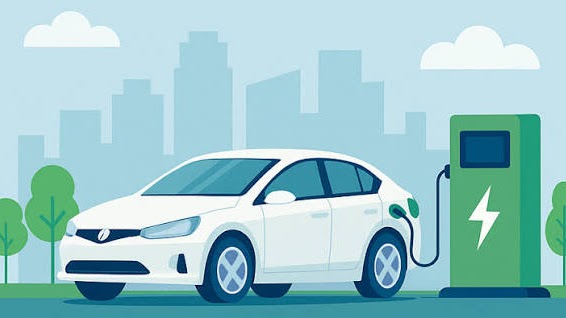
Illustration: the impact of achieving zero pollution through e-mobility

FAQ

E‑mobility, answered

Can't find an answer? Talk to an engineer.

What is e-mobility?

E-mobility (electric mobility) refers to the use of electric power for transportation instead of traditional fossil fuels such as petrol or diesel. It includes electric vehicles and the infrastructure needed to support them, such as charging stations and smart energy systems.

What are the benefits of e-mobility?

E-mobility reduces greenhouse gas emissions, improves air quality in cities, lowers dependence on fossil fuels, often has lower operating and maintenance costs, and supports sustainable transportation goals.

What are examples of e-mobility?

Electric vehicles (EVs), batteries, charging infrastructure, and the power grid and renewable energy that supply them.

What trends will shape the future of e-mobility?

Mass adoption of electric vehicles, faster and better batteries, expansion of charging infrastructure, integration with renewable energy, and smart, connected mobility.

Get started

Ready to go electric?

Get a smart wallbox installed at home or at work, and power it with stored solar energy.